
Landlord Compliance Checklist: A Step-by-Step Process From Screening to Notices
Key Takeaways
- A consistent process—from preparing and advertising the property to screening, leasing, maintenance, notices and move-out—helps landlords avoid costly mistakes.
- Frisco owners must follow applicable Texas and local requirements. Because rules and timelines can change, verify current law and consult a qualified attorney when needed.
- Written standards, fair treatment and organized records help reduce disputes and protect rental investments.
A rental compliance issue can begin with something small: inconsistent screening, an outdated lease, an unanswered repair request, or a notice sent incorrectly. These mistakes can lead to costly disputes and unnecessary stress for property owners.
At Keyrenter Frisco, we understand the importance of maintaining compliance throughout every stage of the rental process. Our team helps Frisco-area property owners navigate the responsibilities of rental ownership, from tenant screening to move-out procedures. Below, we outline practical steps to help protect your investment and avoid common compliance issues.
This guide is for general education and does not constitute legal advice. Always verify current requirements with appropriate authorities and a qualified attorney. Keyrenter Frisco is independently owned and operated.
Curious What Your Rental Could Be Worth?
Step 1: Prepare The Property
Before advertising, inspect the rental for safety, cleanliness and functionality. Check:
- Smoke alarms and carbon monoxide alarms where required.
- Heating, cooling, plumbing and electrical systems.
- Doors, windows, locks and required security devices.
- Leaks, moisture problems and pests.
- Applicable disclosures, inspections and documents.

Take photographs of the property’s condition, including the inspection date. Check whether Frisco, your specific municipality or a homeowners association imposes additional rental requirements. Complete necessary maintenance and repairs before move-in.
Step 2: Advertise Accurately And Fairly
Rental listings should describe the home, price, deposit and important terms accurately. Avoid wording that expresses a preference for, or discourages, people based on protected characteristics. Fair housing obligations apply throughout the rental process, beginning with advertising.
Use consistent, neutral descriptions and confirm that advertised features, fees and availability match what applicants will actually encounter. Clear marketing prevents misunderstandings.
Step 3: Apply Consistent Screening Standards
Set written rental criteria before accepting applications, then use the same process for every applicant. A reliable screening procedure should include:
- Predetermined income, credit, rental history and background standards.
- Consistent applications and information requests.
- Compliance with screening-report, fee and adverse-action notice rules.
- Documented reasons for approval or denial.
- Proper consideration of assistance animals, which are generally treated differently from pets.
Screening laws can have detailed requirements. Review your criteria periodically and consult qualified counsel when questions arise. Consistency also documents your decisions.
Step 4: Use A Current, Complete Lease
Your lease should explain each party’s responsibilities without relying on outdated or generic language. Review provisions covering:
- Parties, adult occupants and lease duration.
- Rent, payment methods, due dates and late fees.
- Renewals, termination terms and notices.
- Security deposits and other charges.
- Repairs, utilities, landscaping and property care.
- Pets, assistance animals and entry procedures.
- Required disclosures and addenda.

A clause inconsistent with applicable law may be unenforceable. Have a qualified attorney review your lease and revisit it as requirements change. Clear terms simplify communication and enforcement.
Want To Learn More?
Step 5: Handle Deposits And Fees Carefully
Security deposits and charges commonly cause disagreements. Document what you collect, why you collect it and how payments or refunds are handled. Keep accurate transaction records and understand the rules governing permitted deductions, deposit accounting and return deadlines.
Texas requirements may depend on the circumstances, so confirm the current rules rather than using an old checklist. Records help resolve move-out disputes.
Step 6: Document Move-In Condition
Complete a detailed inspection before occupancy, supported by dated photographs and a written condition report. Give the tenant an opportunity to identify existing issues. Keeping a shared record helps distinguish pre-existing conditions and ordinary wear from tenant-caused damage later.
Explain how residents can request maintenance, receive entry notices and contact you during emergencies. Establishing these procedures early can prevent confusion throughout the lease.
Step 7: Respond Promptly To Repairs
Maintenance can involve legal obligations as well as tenant satisfaction. Give residents a clear reporting method, then:
- Record the date, issue and response for each request.
- Prioritize health, safety and habitability concerns.
- Hire qualified or licensed professionals where required.
- Track progress and confirm completion.
Frisco’s hot weather makes reliable cooling especially important, so prepare for urgent equipment failures.
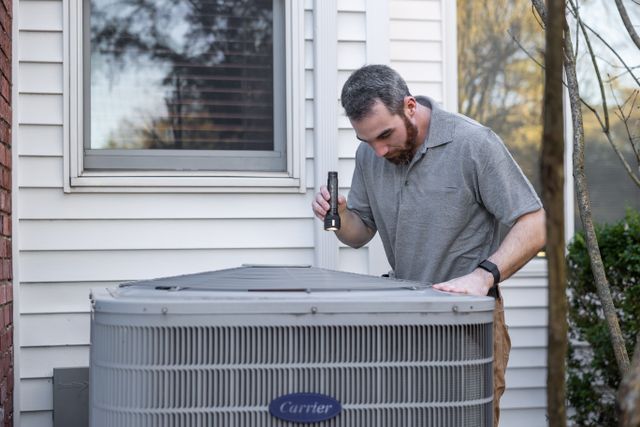
Repair duties and timelines depend on the circumstances and governing law; verify what applies before deciding how to respond.
Step 8: Respect Proper Entry Procedures
A rental continues to be the tenant’s home for the duration of their lease. Follow applicable law and lease terms when entering, including any relevant notice or access requirements. Schedule routine visits for legitimate purposes, document communications and distinguish planned work from genuine emergencies.
Respectful entry reduces complaints. Let tenants know in advance how requests and notices will be communicated, and retain records of each visit.
Step 9: Deliver Notices Correctly
Rent issues, lease violations, renewals and termination may require different notices. Errors in wording, timing or delivery can make a notice ineffective and delay the next step.
Before sending one:
- Confirm the correct notice and required information.
- Check all applicable deadlines.
- Use a permitted delivery method and preserve proof.
- Retain a copy with the tenancy records.
Do not attempt an informal eviction through unauthorized lock changes, removal of belongings or utility interruptions. Verify Texas and local procedures and seek legal advice before termination or eviction-related action.
Step 10: Maintain Organized Records
Keep applications, screening documentation, signed leases, payment ledgers, inspection photos, repair requests, notices and correspondence organized by property and tenancy. Protect sensitive information and follow applicable retention requirements.
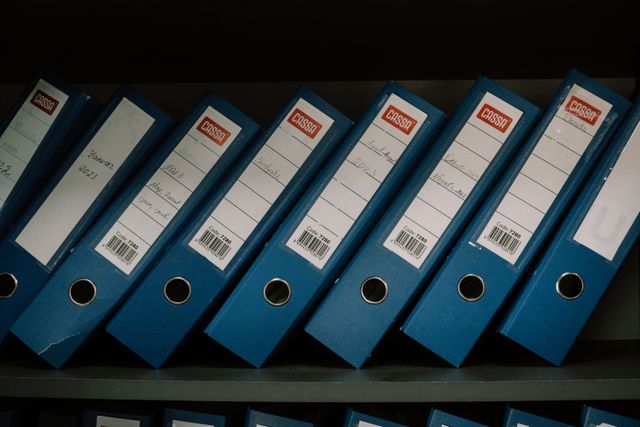
Complete files help substantiate decisions. Set aside time to check records rather than waiting until a problem arises.
Step 11: Plan Move-Out And Review Procedures
At move-out, document the condition of the home and compare it with the initial inspection. Identify any damage beyond ordinary wear, support deductions with appropriate records and follow current deposit-accounting deadlines and notice requirements.
Review your overall compliance process at least annually. Update lease templates, screening criteria, notice procedures and recordkeeping practices with qualified legal guidance where needed. A regular review helps prevent outdated procedures from becoming recurring problems.
Bottom Line
Successful rental management depends on consistent steps: prepare the property, advertise and screen fairly, document clear lease terms, handle deposits carefully, address repairs, respect entry requirements and deliver notices properly. Because laws and timelines change, verify current rules and consult a qualified attorney.
Keyrenter Frisco helps owners manage rental properties in the Frisco area. To discuss our services or request a free rental analysis, call 214-308-2424, visit our website or stop by 6160 Warren Pkwy, Suite 100, Frisco, TX 75034. Each Keyrenter office is independently owned and operated.
Curious What Your Rental Could Be Worth?
Frequently Asked Questions
Do I Need Written Screening Criteria?
Written criteria are strongly recommended. Applying the same standards to applicants supports fair treatment and documents your decisions. Confirm current screening, fee and notification requirements before using your criteria.
Can I Use A Generic Lease Template?
Generic templates may contain outdated provisions or terms that do not comply with Texas or local law. Have a qualified attorney review the lease and keep it updated.
How Should I Handle Repair Requests?
Provide a clear submission method, log each request, prioritize safety concerns and confirm completion. Your obligations and timelines depend on the issue and applicable requirements.
What If I Deliver A Notice Incorrectly?
An improper notice may be ineffective, requiring you to repeat the process. Verify content, timing and delivery rules, retain proof and consult an attorney when termination or eviction is involved.
How Can Keyrenter Frisco Help With Compliance?
We provide property management services to Frisco-area owners and offer a free rental analysis. Call 214-308-2424 to discuss how we approach screening, leases, maintenance and notices, and request written details about services and fees.